

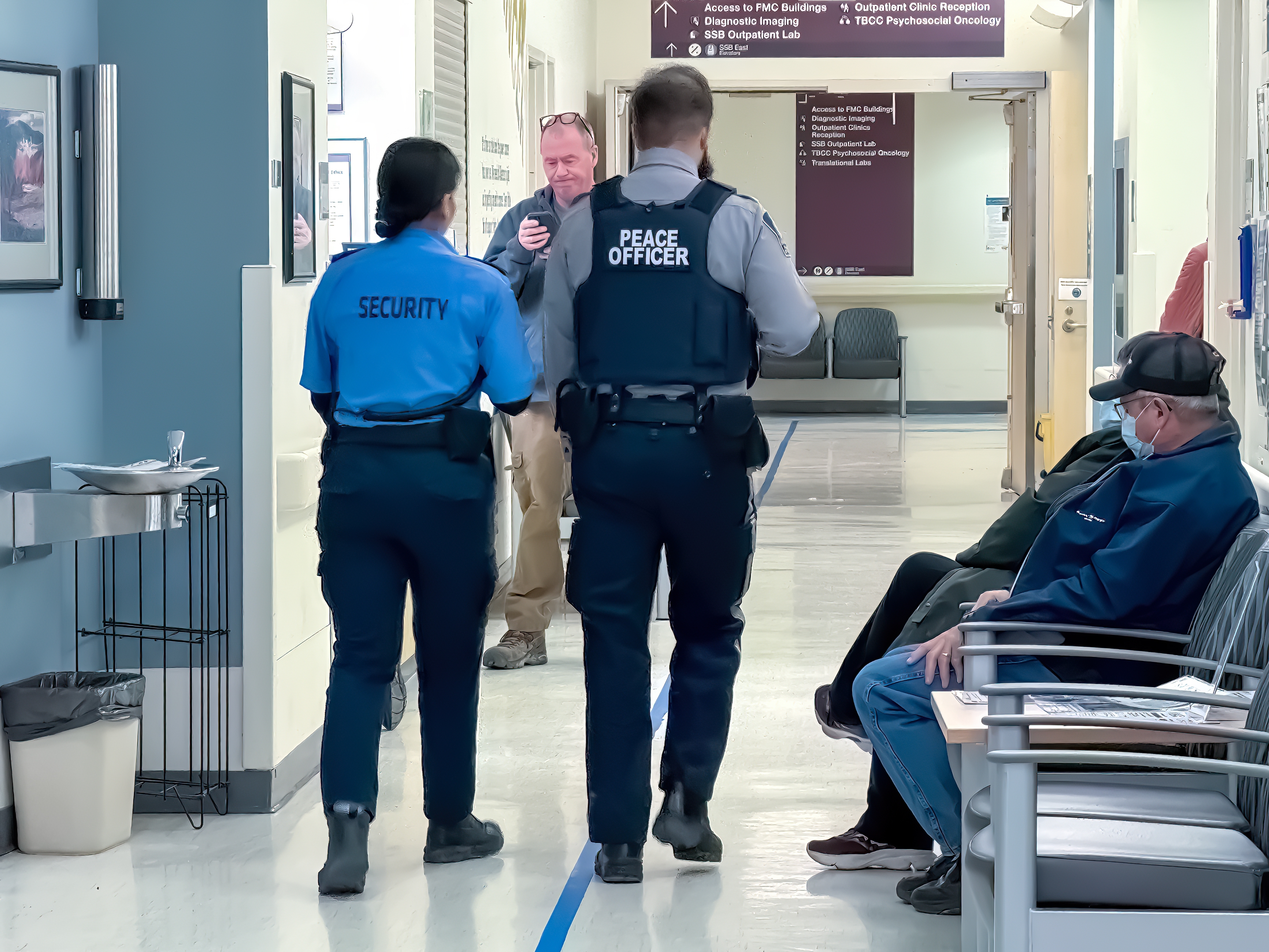
Nurses in New York City recently walked off the job—not over pay or benefits, but because they no longer felt safe at work. Reports of assaults, unauthorized visitors in patient areas, and repeated safety violations reflect a crisis across healthcare facilities: when frontline caregivers feel unprotected, the entire system suffers.
Healthcare was supposed to be a sanctuary, but for many nurses and hospital staff, it’s increasingly becoming a dangerous workplace. Workplace violence in healthcare is not an isolated issue—it’s a national epidemic.
The Rising Tide of Violence Against Healthcare Workers
Frontline caregivers are vulnerable in ways most professions are not. According to the U.S. Bureau of Labor Statistics, healthcare and social assistance employees accounted for nearly three-quarters of all nonfatal workplace violence injuries in 2021–2022, at a rate more than five times the national average for private industry.
A national survey found that an overwhelming majority of nurses—over 80%—experienced at least one type of workplace violence in the past year.
Violence and abuse in healthcare take many forms: threats, verbal harassment, physical assaults, and even weapons-related incidents. Globally, studies indicate that between 8% and 38% of health workers suffer physical violence in their careers, with even more exposed to verbal or psychological aggression.
These aren’t just isolated anecdotes; they’re systemic challenges that impact staff morale, retention, and patient care.
Safety Is Not Optional: Staff Are Making That Clear
For too long, violence in healthcare has been dismissed as “part of the job.” But nurses and other professionals are increasingly unwilling to accept this risk. Nearly two in five healthcare workers in the U.S. say they have considered leaving their positions due to safety concerns, and almost half say they are likely to leave their jobs within a year due to unaddressed workplace violence.
These losses have real consequences: turnover costs for nursing staff can average over $60,000 per bedside nurse, with hospitals losing millions annually to recruitment and training unless conditions improve.
Visitor Management: A Critical Layer of Safety
While staffing levels, training, and de-escalation programs are essential, one overlooked but highly effective safety control is visitor management.
Every person who enters a hospital—whether a loved one, vendor, or stranger—needs to be identified, authorized, and accountable. Without that, security teams and caregivers are left guessing who belongs and who doesn’t.
An effective visitor management system:
- Ensures everyone in the facility is known and authorized
- Deters individuals without legitimate business
- Provides real-time visibility into who is on site
- Supplies critical data for incident response and threat assessment
- Reinforces a culture of safety that staff can trust
- This isn’t just administrative convenience—it’s safety infrastructure.
Here’s how PassagePoint strengthens security and supports staff confidence:
🔹 Identity Verification
Visitors are screened and badged at entry, ensuring that only authorized individuals are allowed into clinical areas.
🔹 Rule-Based Access Control
PassagePoint enforces visitation policies dynamically—blocking access to restricted units like behavioral health or intensive care unless explicitly allowed.
🔹 Auditable Visitor Tracking
Every visit is logged with timestamps, destination units, and verification steps—providing actionable insights for security teams.
🔹 Proactive Alerts for Risk Indicators
Integrations (such as sex offender screening) let hospitals flag known risks before a visitor enters, reducing threats before they escalate.
These capabilities help create a predictable, managed environment where staff no longer have to make judgment calls about who is “allowed” to be present on campus.
Closing the Gap Between Policy and Practice
Hospital surveys and security associations consistently emphasize that staff perception of safety improves when visitor controls are visible and enforced. When employees see that administration takes access control seriously, it improves confidence and reduces anxiety—an essential component of retention and workplace satisfaction.
In the wake of the NYC nurse strike and similar alarms nationwide, security technology like PassagePoint is not just an efficiency tool—it’s a critical piece of a comprehensive workplace safety strategy.
Safety and healing go hand in hand. And when staff feel protected, they can focus on what they do best: caring for patients.